Platforms
Stay, upgrade, or move?
Let's do the math.
Let's do the math.
Builds, migrations, and the engineering after launch. Pick your platform. See the work.







How to choose an ecommerce platform
Three questions.
Then the platform.
Three questions.
Then the platform.
Every platform pitch starts with features. Every good decision starts here, in this order.
01 · Pricing
How complex is your pricing?
Simple pricing and discounts fit Shopify or BigCommerce. Advanced and tiered pricing needs Adobe Commerce.
02 · Catalog
How deep is your catalog?
A few thousand SKUs run well anywhere. Six-figure catalogs with deep taxonomy run best on Adobe Commerce or Shopware.
03 · Ownership
Who maintains it?
Hosted platforms are patched for you. Self-hosted and headless raise the ceiling and need a team, or us on retainer.
Answer all three and the shortlist is usually one platform, sometimes two. That is what the free audit does in five business days.
What we build on
Built on all of them.
Here's when each fits.
Built on all of them.
Here's when each fits.
Most DTC brands end up on Shopify Plus. Most deep-catalog B2B ends up on Adobe Commerce. The others exist for specific reasons, and each card says what they are.
Shopify
Right when you’d rather ship than patch, and your pricing fits in price lists and tiers.
- Shopify Plus builds, replatforms and Plus-only feature work
- Checkout Extensibility, Functions, Markets, B2B on Shopify
- Hydrogen storefronts and Online Store 2.0 themes
- ERP integration and post-launch managed services
Adobe Commerce
Right when the catalog is deep, pricing is per account, and the ERP decides both.
- Version upgrades, security patching and 24/7 support
- Hyvä frontends and Core Web Vitals work
- B2B module: hierarchies, contract pricing, requisition lists
- Punchout, EDI and ERP middleware
BigCommerce
Right when you want hosted operations without transaction fees, and expect to outgrow a theme.
- Catalyst storefronts on Next.js, and Stencil themes
- B2B Edition: companies, price lists, quotes
- Multi-storefront from a single catalog
- Migrations with the redirect map scoped up front
Salesforce Commerce Cloud
Right when Service Cloud, Marketing Cloud, and the CRM already run the business.
- SFRA storefronts and PWA Kit on Managed Runtime
- Custom cartridge development, done upgrade-safe
- SCAPI and OCAPI integration across the estate
- Takeover and audit of inherited implementations
Shopware
Right when you want open source without Magento’s weight, especially in Europe.
- Shopware 6 builds, upgrades and plugin development
- Rule Builder pricing and Flow Builder automation
- B2B Components: roles, budgets, approvals, quotes
- Shopware Frontends on Vue, or the Twig storefront
Headless & Composable
Right when page speed is worth ranking for. Our storefront put it within reach.
- A Next.js storefront on Shopify Plus, Adobe Commerce or BigCommerce
- Built once and configured, at about half a bespoke timeline
- Server rendering, so the SEO survives the move
- Maintained on a retainer, not handed over and forgotten
How we choose
Best case. Worst case.
Same table.
Same table.
Shopify or BigCommerce, Shopify Plus or Magento, DTC or B2B: vendors publish the left column. We publish both, because the right column is the one you live with in year two.
- Shopify
Best for
Brands that want the platform to be somebody else’s problem. Checkout converts out of the box, PCI and patching are handled, and the app ecosystem covers most of what you would otherwise build.
Watch out
You customize inside the seams Shopify gives you. Deep ERP-driven pricing, a half-million-SKU catalog, or an account hierarchy several levels down can hit walls that Adobe Commerce does not have.
- Adobe Commerce
Best for
Deep catalogs, customer-specific and contract pricing resolved from an ERP, multi-level account hierarchies, punchout, and multi-store setups where the rules genuinely differ per storefront. It is still the most capable B2B engine in common use.
Watch out
You own the upgrades, the patches, the hosting, and the bill for all three. If your catalog and pricing would fit inside Shopify Plus, Adobe Commerce is a tax you do not need to pay.
- BigCommerce
Best for
Merchants who want hosted infrastructure and no transaction fees, but expect to outgrow a theme. Catalyst gives you a real Next.js storefront without the from-scratch cost, and B2B Edition covers the common wholesale cases.
Watch out
A smaller app ecosystem and a smaller pool of agencies than Shopify. If the thing you need is a well-known Shopify app, on BigCommerce it may become a build.
- Salesforce Commerce Cloud
Best for
Enterprises where Service Cloud, Marketing Cloud, and the CRM are already the system of record. Commerce Cloud’s advantage is not the storefront, it is that customer, order, and service data live in one estate.
Watch out
The most expensive platform here, priced on gross merchandise value, with a smaller talent pool. If you are not already invested in Salesforce, that integration advantage is not one you have.
- Shopware
Best for
B2B and manufacturer-led operations that want open source without Magento’s maintenance weight, especially anyone selling into Europe. The Rule Builder handles pricing and eligibility logic that would be custom code elsewhere.
Watch out
A much smaller footprint in the United States, which means fewer agencies, fewer developers, and a smaller app ecosystem than any other platform on this page.
- Headless & Composable
Best for
Brands that want a page-speed and organic-search advantage their competitors on stock themes cannot match. The accelerator means that is no longer restricted to companies who can fund a bespoke frontend.
Watch out
A decoupled frontend still needs an owner. Framework and dependency updates keep arriving, which is why we ship this on a retainer rather than handing over a repository and wishing you luck.
Replatforming
New platform.
Same rankings.
New platform.
Same rankings.
Ecommerce migrations don’t fail on the storefront. They fail in three places, and we scope all three before we quote a date.
Rankings
Every indexed URL mapped and redirected, structured data carried across, crawl watched through cutover. Anthony’s came out 2.4x faster with zero SEO loss.
Integrations
ERP, PIM, feeds, 3PL. This is what sets the timeline, so it gets scoped before the date, not after.
History
Products, customers, orders, and the history support needs on day one. The catalog is easy. Nine years of context is what gets cut, then missed.
Results
Show you the money.


DTC · Shopify Plus
2.4x
faster page loads · zero SEO loss
Replatformed an aging custom site to Shopify Plus without losing a single SKU or SEO ranking.


B2B · Magento
+100%
new B2B registrations
A complex B2B catalog with dealer pricing tiers, replatformed without breaking a single integration. New account registrations doubled.
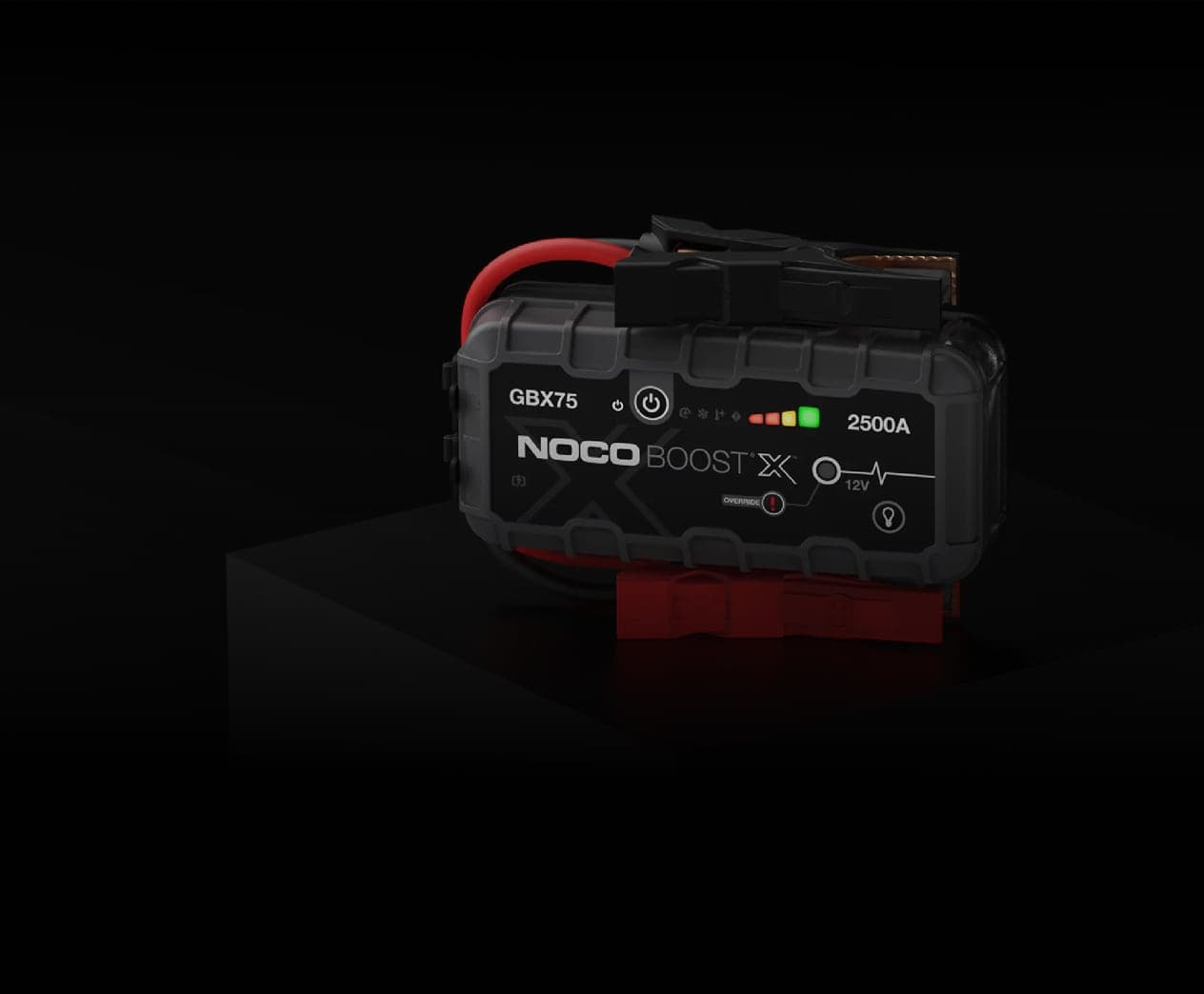
- View case study: Noco case study
DTC + B2B · Managed services
+38%
accessory attach
A long-running managed-services partnership where every quarter ships more than the last. PDP rebuilds, accessory and replacement-parts catalog, warranty-driven lifecycle.
Read case study
The whole pitch in four steps
Here's what happens
after you fill out the form.
after you fill out the form.
Sales replies within one business day. A senior strategist
and an engineer who has shipped on your platform, on the first call.
Step 01
30-min
discovery callWhat you’re on, what hurts, what the ERP and the catalog look like. We’ll say early if the platform isn’t the problem.
Step 02
Free platform audit
Pricing logic, catalog, integrations, Core Web Vitals on real field data. Five business days. Yours to keep.
Step 03
Stay, upgrade,
or moveOne recommendation, with the cost of staying set against the cost of moving. Sometimes the answer is stay.
Step 04
Scoped
proposalScope, timeline, pricing: fixed-fee or T&M. First wins inside 30 days.
The big numbers
+30%
Avg. conversion rate lift within 12 months
+50%
Avg. order value lift
<1s
Page load speeds on the storefronts we build
+15%
Avg. revenue lift within 6 months
THE QUESTIONS YOU HAVE -
Get them out
of the way.
of the way.
Let's pick your platform.
Tell us what's breaking. We'll tell you what fits.
What you're on, what's slow, what nobody will quote. A senior engineer replies within one business day with a recommendation, which is sometimes to stay exactly where you are.